

Magnesium Really Is That Girl, Here’s Why
Magnesium is one of the most essential, and most commonly overlooked. minerals in women’s health. It is involved in over 300 enzymatic reactions in the body, influencing everything from hormone regulation and nervous system balance to sleep quality, digestion, and reproductive health.
In clinical practice, we see time and time again that optimizing magnesium status can significantly improve a wide range of symptoms.
Here’s why it matters so much:
1. Period Pain Relief
Magnesium helps relax smooth muscle tissue, including the uterus. This action can reduce the intensity of uterine contractions, helping to ease menstrual cramps and discomfort during both the luteal and menstrual phases.
2. Constipation Support
Certain forms of magnesium, such as magnesium citrate, draw water into the intestines, supporting gentle and natural bowel movements. This can be especially helpful for women experiencing constipation related to hormonal shifts during the premenstrual phase or pregnancy.
3. Hormone Regulation & PMS Support
Magnesium plays a key role in the body’s stress response by helping regulate cortisol levels and supporting parasympathetic nervous system activity. It also indirectly supports thyroid function and may help reduce PMS symptoms such as mood swings, irritability, and emotional sensitivity associated with hormonal fluctuations.
4. Pregnancy
Magnesium is essential for cellular energy production, DNA synthesis, and healthy fetal development. During pregnancy, it may help reduce muscle cramping and support overall maternal well-being.
5. Better Sleep
Magnesium glycinate is particularly well known for its calming effects on the nervous system. It supports GABA activity, the neurotransmitter responsible for promoting relaxation and sleep. This makes it especially helpful for individuals experiencing insomnia, stress-related sleep disturbances, or hormone-related sleep disruption.
6. Stress & Anxiety Support
Magnesium plays an important role in regulating neurotransmitters involved in mood stability and stress response. Low levels are often associated with increased stress sensitivity, irritability, and anxiety.
7. PCOS Support
In individuals with polycystic ovary syndrome (PCOS), magnesium may support insulin sensitivity and help reduce systemic inflammation , two central factors in PCOS .
8. Headache & Migraine Relief
Magnesium helps regulate nerve signaling and supports healthy blood vessel function. Research suggests it may help reduce the frequency and severity of tension headaches and migraines, particularly those associated with the menstrual cycle.
Which Type of Magnesium Should You Take?
This is one of the most common questions we hear in clinic. The truth is: not all magnesium is the same. Each form has unique properties and therapeutic benefits.
Here’s a simple breakdown:
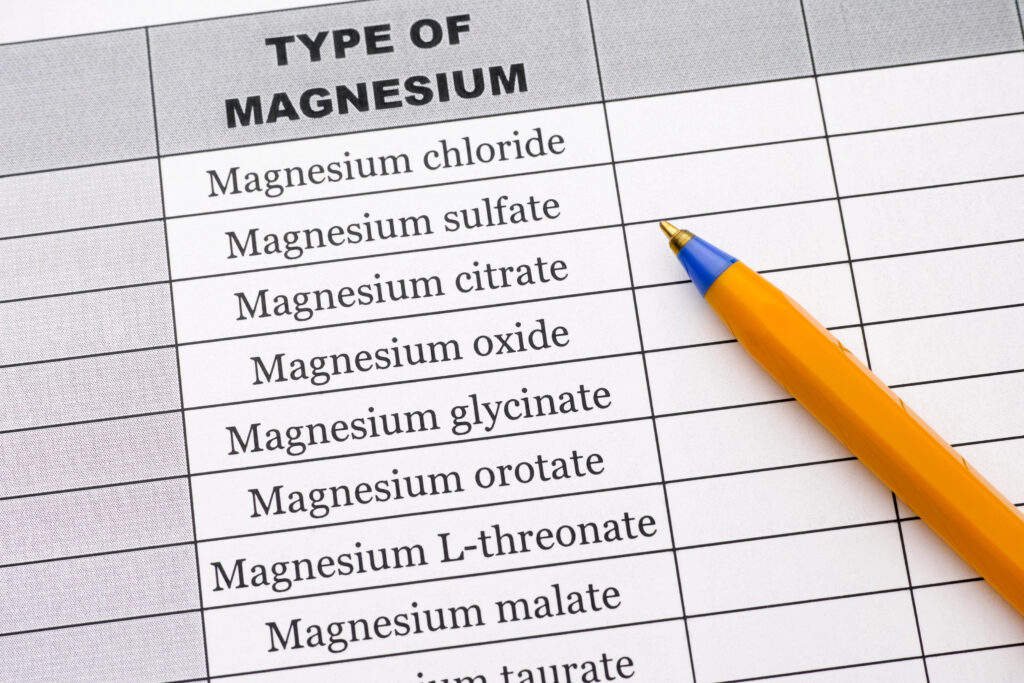
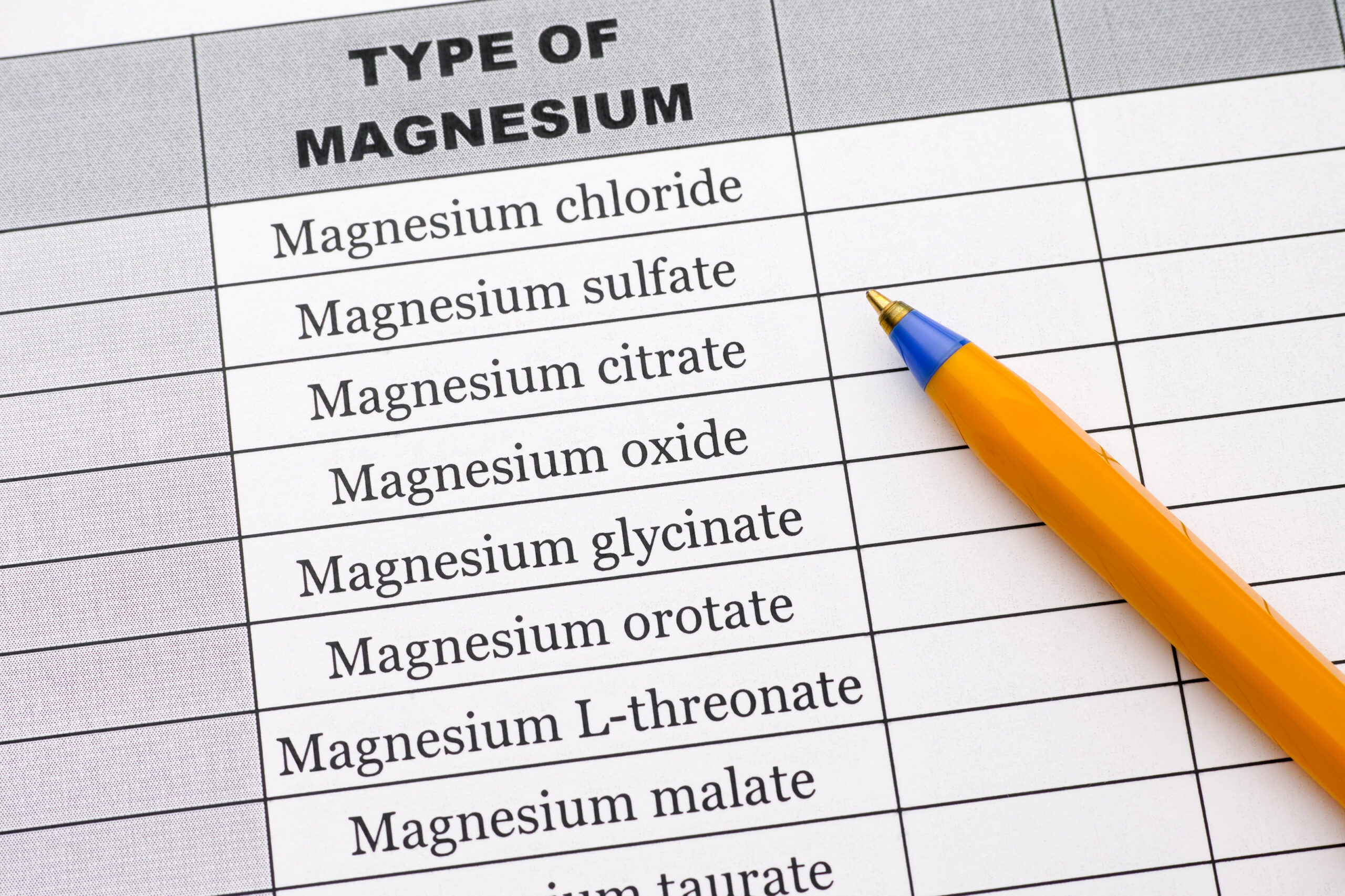
- Magnesium Glycinate → Sleep, stress regulation, hormonal balance
- Magnesium Citrate → Constipation and digestive support
- Magnesium Malate → Muscle pain, fatigue, and energy production
- Magnesium L-Threonate → Brain health and cognitive support
- Magnesium Taurate → Cardiovascular support and healthy blood pressure
- Magnesium Orotate → Cellular energy and heart health support
- Magnesium Chloride → Topical use (sprays/lotions) for absorption through skin
- Epsom Salt (Magnesium Sulfate) → Baths for muscle relaxation and recovery
Choosing the right form depends on your individual needs, symptoms, and health goals. If you’re unsure where to start, our team can help guide you toward the most appropriate option for your body.
Dr Johanna Butler – April 28/2026